No Label, No Problem: How Independent Artists Are Quietly Taking Over the Music Industry
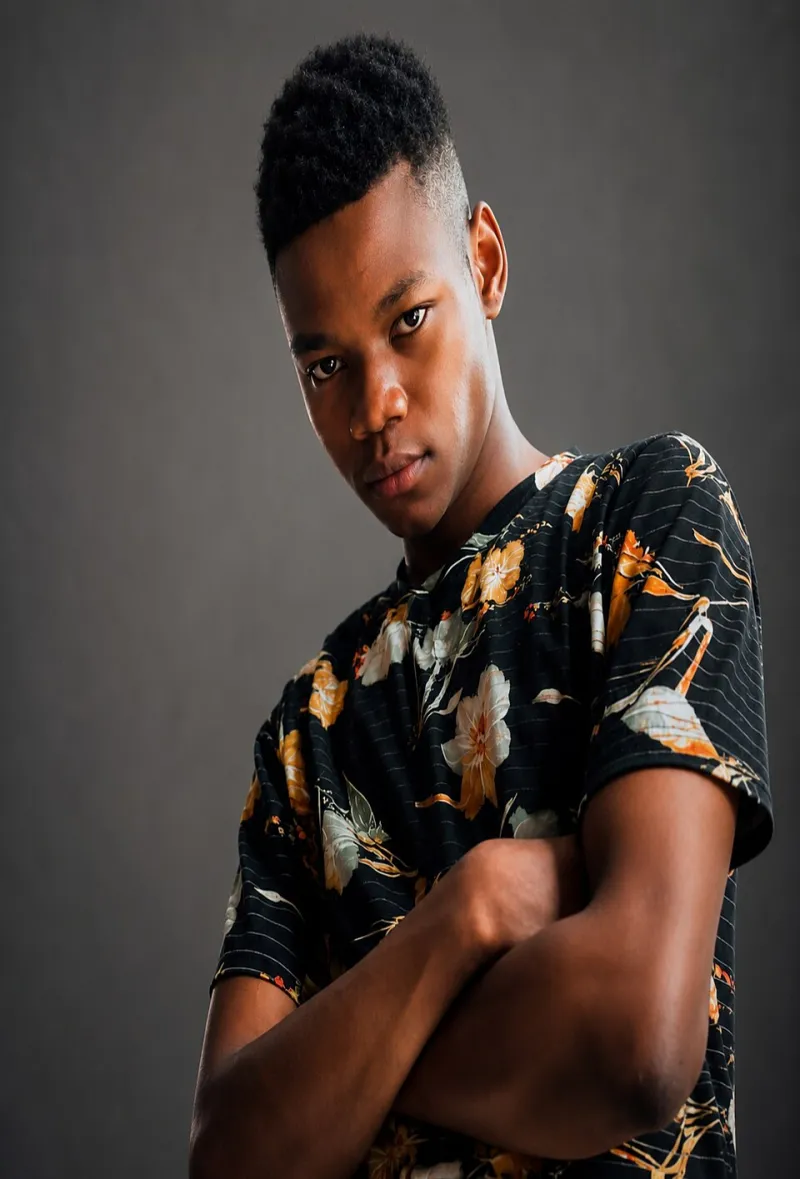
Photo: Femskid, CC BY-SA 4.0, via Wikimedia Commons
For decades, the dream looked the same: catch the right ear, sign on the dotted line, and let a major label machine carry you to the top. But somewhere between streaming royalties that pay fractions of a cent and 360 deals that claim a cut of everything from merch to live shows, a whole generation of musicians started doing the math — and didn't like what they found.
What's emerging in place of that old model is something scrappier, more personal, and in many cases, way more profitable. Independent artists across the US are building careers that don't just survive without label backing — they thrive because of its absence.
The Infrastructure That Changed Everything
The tools that make this possible didn't exist fifteen years ago. Bandcamp lets artists sell music directly, keeping the lion's share of revenue. Patreon turns casual listeners into paying community members. TikTok has become an unpredictable but genuinely powerful discovery engine. Spotify for Artists, DistroKid, and Tunecore handle distribution without requiring anyone to give up their masters.
Put it all together and you've got a DIY infrastructure that would've seemed like science fiction to a broke musician in 2005 trying to burn CDs in their bedroom.
Take Amaarae, the Ghanaian-American artist who built a devoted following across West Africa and the US diaspora before ever signing a major deal. Or Raveena, whose dreamy R&B project attracted a cult audience through careful curation and community engagement long before industry co-signs arrived. These aren't outliers — they're the blueprint.
Patreon and the Intimacy Economy
One of the most underrated shifts in independent music isn't about distribution — it's about relationship. Patreon, and platforms like it, have essentially allowed artists to monetize trust.
When a musician offers their Patreon subscribers early access to demos, handwritten lyric sheets, or live-streamed writing sessions, they're not just selling content. They're selling proximity. Fans aren't just listeners anymore; they're stakeholders. That changes the entire energy of a fanbase.
Charlotte Adigéry & Bolis Pupul, the Belgian duo who blew up stateside through word-of-mouth and festival circuits, speak openly about building a community before chasing commercial success. That model — community first, commerce second — is increasingly the one that lasts.
For US-based artists, this approach has been particularly powerful in cities with tight-knit creative scenes. Think about how many DIY musicians in Chicago, Atlanta, or Portland have built regional empires before anyone in New York or LA even noticed. The local becomes the launching pad.
Merch as Art, Not Afterthought
Another pillar of the independent music economy that doesn't get enough credit: merchandise. But not the generic T-shirt-with-your-logo kind. The artists winning right now are treating merch as an extension of their creative vision.
Jazmine Sullivan doesn't just sell hoodies. Phoebe Bridgers turned a skeleton onesie into a cultural moment. Smaller independent artists are following suit — screen-printed totes, hand-stamped lyric zines, limited ceramic pieces tied to album concepts. These aren't just revenue streams; they're physical artifacts of a world the artist is building.
When merch feels like art, fans don't just buy it — they display it, photograph it, share it. That's free marketing with genuine emotional weight behind it.
When TikTok Hands You a Career
You can't talk about modern independent music without talking about TikTok, even if the relationship is complicated. The platform is chaotic, algorithm-dependent, and occasionally eats careers as fast as it creates them. But for the artists who figure out how to use it on their own terms, it can be transformative.
Austin-based singer-songwriter Lizzy McAlpine built a massive following through raw, unfiltered clips that felt nothing like traditional music marketing. Her song "Ceilings" went viral not because of a PR campaign, but because it hit something real. By the time labels came knocking, she already had the leverage.
That's the key shift: when you build the audience yourself, you negotiate from strength, not desperation.
The Collaboration Economy
Independent artists are also leaning hard into unconventional collaborations — not just with other musicians, but across creative disciplines entirely. Visual artists, fashion designers, independent filmmakers, even chefs and tattoo artists are becoming collaborators in projects that blur genre lines and generate cross-audience buzz.
These aren't sponsorships. They're genuine creative partnerships that feel organic because they usually are. When a musician drops an album alongside a limited-edition visual art print or a collaborative clothing capsule with a local designer, they're not just selling music — they're selling a whole world.
What This Means for the Industry
Major labels aren't going anywhere. But their leverage is shrinking, and the artists who understand that are making moves accordingly. Some are rejecting label deals outright. Others are signing limited licensing agreements that let them keep their masters while accessing distribution muscle for specific projects.
The power dynamic is shifting, slowly but unmistakably. And the artists leading that shift aren't waiting for permission.
The future of music isn't being written in boardrooms. It's being written in home studios, Discord servers, and Patreon comment sections. It's messier than the old model, and way more interesting. Welcome to the independent era — it's already here.