The Intimacy Algorithm: How Your Favorite Creator Made You Feel Like Family
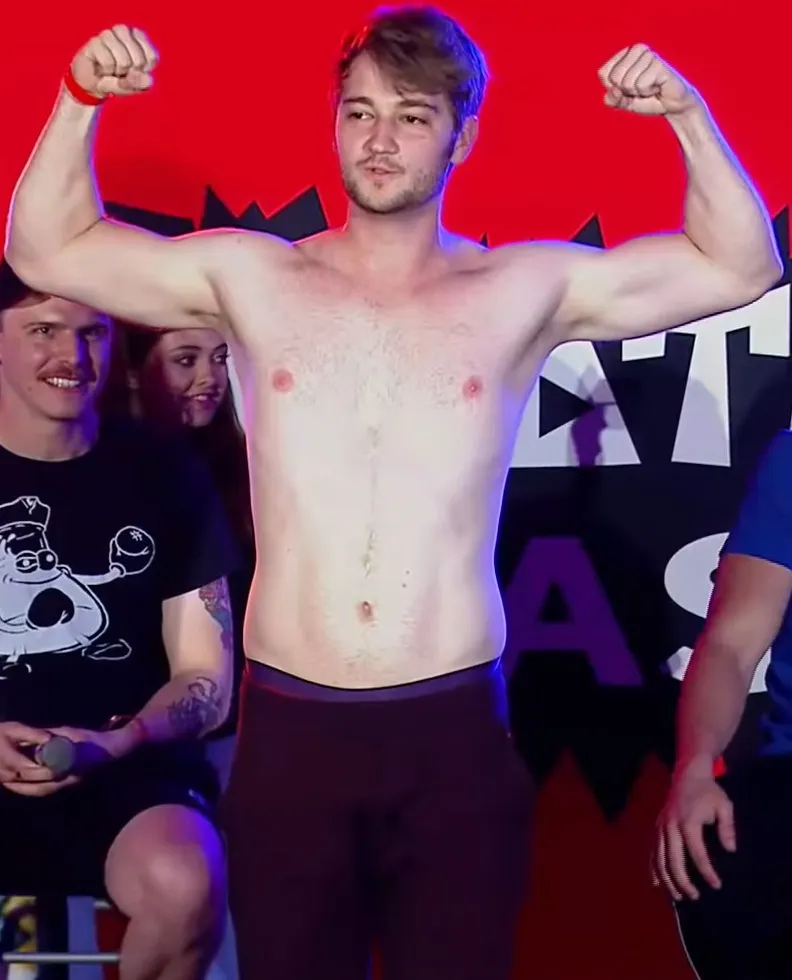
Photo: Esfand, CC BY 3.0, via Wikimedia Commons
Somewhere right now, a person is watching a YouTube video they've seen three times before. Not because they forgot the content — they remember every beat — but because the creator's voice feels like company. Familiar. Safe. Like someone who actually gets it.
This is the parasocial relationship in its natural habitat, and it's more engineered than you think.
Closeness as Content
Let's be honest about what's happening in the creator economy right now. The most successful streamers, YouTubers, and TikTokers aren't just making content. They're constructing relationships — or at least the sensation of one — with audiences who may number in the hundreds of thousands. The mechanics behind this are deliberate, studied, and increasingly sophisticated.
The word "parasocial" gets thrown around a lot, but it's worth grounding it. Coined by sociologists Donald Horton and Richard Wohl back in 1956 to describe the one-sided intimacy people felt toward TV personalities, the concept has exploded in relevance as digital media collapsed the perceived distance between creator and audience. When a streamer responds to your comment during a live broadcast, looks directly into the camera and says "you guys are literally my whole world," or shares a crying video about a personal breakdown — the brain processes that as genuine connection. Because it feels genuine.
And sometimes, it is. But the line between authentic vulnerability and performed intimacy is blurrier than most people want to admit.
The Playbook (Yes, There Is One)
Spend enough time studying successful creators and patterns emerge. There's a loose but recognizable playbook for cultivating the kind of deep audience loyalty that translates into Patreon subscriptions, merch drops that sell out in minutes, and communities that function more like congregations than fan bases.
It starts with strategic vulnerability — sharing personal struggles, mental health journeys, relationship drama, or family conflict in ways that feel unfiltered but are almost always carefully calibrated. The creator who films themselves crying doesn't typically do so at their most destroyed moment. They do it when they're emotionally coherent enough to hit record, frame the shot, and deliver a narrative arc.
Then comes behind-the-scenes access — the "real me" content that lives in second channels, Discord servers, Patreon tiers, or Stories. The implicit promise: the public-facing content is the performance, but this is where you meet the actual person. The audience pays (sometimes literally) for proximity. The creator manufactures proximity at scale.
Finally, there are community rituals — inside jokes, recurring bits, shared vocabulary, anniversary streams, subscriber milestones celebrated like holidays. These rituals create group identity. Suddenly you're not just a fan of a creator; you're a member of something. A community with its own culture, its own language, its own sense of belonging.
It's genuinely powerful. It's also, when deployed without ethical consideration, genuinely manipulative.
Case Studies in Controlled Intimacy
Consider the Twitch streaming ecosystem, where parasocial architecture is basically built into the platform's DNA. Top streamers spend hours on camera daily, responding to chat, narrating their thought processes, sharing their moods. The audience watches someone live their life in real time. The intimacy feels earned through accumulated hours, even though the streamer is performing for thousands simultaneously.
Or look at the YouTube "vlogger confession" genre — a format that's been quietly dominating engagement metrics for years. These videos follow a reliable structure: vulnerable title, thumbnail showing distress or sincerity, opening that addresses the audience directly ("I need to talk to you guys"), personal revelation, emotional resolution, call to community. The format is so established that media critics have started calling it "confessional content," drawing comparisons to religious confession rituals. You go in carrying something heavy; you leave feeling witnessed.
On TikTok, the phenomenon accelerates because the algorithm rewards emotional resonance above almost everything else. Creators who share genuine-seeming vulnerability get reach. The platform's structure incentivizes emotional disclosure in ways that would have seemed bizarre ten years ago. The result is a content landscape where the performance of authenticity has become the dominant creative mode.
When the Bond Breaks
Here's where it gets genuinely complicated. Parasocial relationships feel real to the audience. When they rupture — through creator controversy, burnout, ideological shift, or simple personality change — the grief response is real too.
We've seen this play out publicly multiple times. A beloved creator comes out with views that contradict the values their community was built on. Or they take a sponsorship deal that feels like a betrayal of the "authentic" persona. Or they simply become less available, less vulnerable, less present — and the audience experiences it as abandonment.
The creator, for their part, often didn't sign up for the weight of thousands of people's emotional investment. Burnout in the creator space is rampant partly because the parasocial contract is exhausting to maintain. The audience wants the "real you" forever; the real you needs to grow and change and sometimes disappear for a while.
There's also the darker edge: creators who exploit parasocial dynamics to extract money, emotional labor, or uncritical loyalty from audiences who are, in many cases, young and vulnerable. The cult comparison isn't always hyperbole. Some creator communities develop the insularity, ideological rigidity, and leader-worship that define high-control groups. When critics point this out from the outside, community members defend the creator with the ferocity of people protecting family.
So What Do We Do With This?
The answer isn't to pathologize parasocial connection. These relationships can be genuinely meaningful — a source of community for isolated people, an entry point into subcultures and ideas, a form of entertainment that's more emotionally engaging than passive consumption. The parasocial bond isn't inherently toxic.
But media literacy matters here in ways it rarely gets applied. Audiences — especially younger ones — deserve frameworks for understanding what they're participating in. Asking "why does this person want me to feel close to them?" isn't cynical. It's healthy.
And creators, for their part, have a responsibility that comes with the intimacy they cultivate. If you've built your community on emotional vulnerability and trust, the ethical floor is higher than it is for someone just selling a product. You've invited people into something that feels like a relationship. That comes with obligations.
The intimacy algorithm is real. It's powerful. And like most powerful things, it's only as good or as harmful as the hands it's in.