Saddle Up: Inside the Quiet Millions Being Made by the Horse Girl Economy
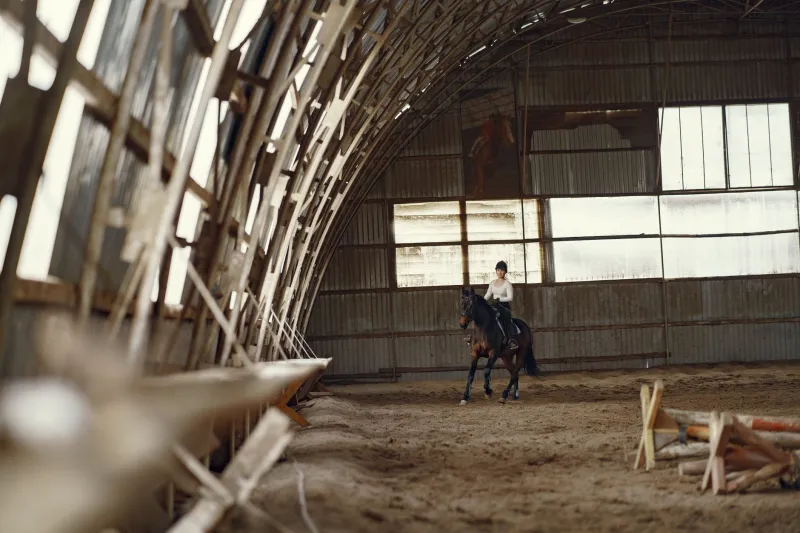
There's a running joke on the internet that horse girls are their own species — obsessive, niche, slightly feral in the best possible way. The stereotype is so baked into pop culture that it's practically its own genre. But here's the thing nobody outside the community seems to have noticed: while everyone was busy laughing at the meme, horse girls were getting paid.
Like, really paid.
We're talking about a decentralized, creator-driven microeconomy that operates almost entirely outside traditional gatekeepers — no talent agencies, no brand deals brokered through LA middlemen, no record labels taking their cut. Just a deeply passionate demographic with enormous disposable income, a fierce sense of community loyalty, and the kind of hyperspecialized taste that makes mainstream brands completely useless to them.
The Numbers Nobody's Talking About
The U.S. equestrian industry as a whole is worth somewhere north of $122 billion annually, according to the American Horse Council. But that figure mostly captures the traditional economy — boarding fees, vet bills, competition entry costs, tack shops. What it doesn't account for is the shadow economy that's grown up around it online.
Custom equine portrait commissions on platforms like Etsy and Ko-fi routinely run $150 to $600 a piece, with top artists maintaining waitlists that stretch six months out. Specialized horse content creators on YouTube and TikTok — people documenting everything from barrel racing training to the surprisingly dramatic world of dressage — are quietly pulling five and six figures annually from ad revenue, memberships, and direct audience support. And then there are the Discord servers, the private Facebook groups, the niche forums where transactions happen constantly, invisibly, with zero mainstream visibility.
"I don't think most people realize how much money moves through these communities," says one equine digital artist based in Kentucky who asked to be identified only by her online handle, SilverHoofStudios. "I made more last year doing horse commissions than my friends with corporate jobs. And I'm not even one of the big names."
Commission Culture and the Art of the Hyperspecific
If you want to understand the economic engine at the heart of this world, start with the art. Equine art has always existed — it's one of the oldest subjects in human creative history, literally — but the internet transformed it into something entirely new. Now there are artists who specialize exclusively in portraits of specific horse breeds, others who do fantasy equine illustration, and still others who've carved out careers doing highly personalized memorial pieces for owners who've lost their animals.
The demand is staggering, and it's driven by something that mainstream markets consistently underestimate: emotional investment. Horse people don't just own horses. They love horses in a way that's hard to overstate to outsiders. These animals are companions, athletes, and, for many owners, the organizing principle of their entire lives. That kind of emotional attachment translates directly into willingness to spend on meaningful, personalized creative work.
The commission networks that have developed to meet this demand are sophisticated and self-regulating. Artists build reputations through word-of-mouth in tight-knit online communities. Pricing is transparent. Scams get called out fast. There's a whole informal infrastructure around protecting both buyers and creators that the gig economy's biggest platforms still haven't figured out.
Discord, the New Tack Room
If the commission market is the visible tip of the iceberg, the Discord communities are everything underneath. These servers function as combination social clubs, marketplaces, mentorship networks, and mutual aid organizations. Members share resources, critique each other's work, organize group buys on equipment, and build the kind of trust-based relationships that make serious money flow.
Some of the larger servers have become genuine talent incubators. Young creators get feedback on their content before it goes public. Experienced earners share knowledge about monetization strategies, platform algorithms, and how to handle the business side of being a creator without getting exploited. The vibe is somewhere between a trade union and a very enthusiastic book club.
"The community aspect is everything," explains one content creator who runs a popular channel documenting her journey training a young Thoroughbred off the racetrack. "The algorithm doesn't understand what I make. It doesn't know how to categorize it or who to show it to. But my community does. They share everything. They're the reason I have a career."
This is a pattern that keeps coming up: horse content exists in a weird algorithmic blind spot. It's not mainstream enough for the platforms to actively promote, but the audience is passionate enough to compensate through organic sharing and direct support. In a weird way, being ignored by the algorithm has made these creators stronger, forcing them to build genuine audience relationships rather than chasing viral moments.
The NFT Detour and What It Revealed
For a brief, chaotic moment during the NFT boom, equine-themed digital art became one of the stranger success stories of the crypto space. Collections featuring digital horses attracted genuine investment from within the equestrian community — people who understood the cultural value of the imagery even if they were skeptical of the underlying technology. Some creators made significant money. Others got burned. The whole episode was messy and weird.
But it revealed something important: horse people had money and they were willing to experiment with new economic models. The NFT moment has mostly passed, but the appetite it exposed — for digital ownership, for supporting creators directly, for participating in something exclusive and community-driven — hasn't gone anywhere. It's just migrated back into more stable formats like Patreon memberships, exclusive Discord tiers, and limited-run merchandise drops.
Why Brands Keep Getting It Wrong
Here's the irony at the center of all this: mainstream brands have been trying to crack the equestrian market for decades and mostly failing. The problem is cultural. Horse people have extremely high standards for authenticity and an almost supernatural ability to detect when a brand doesn't actually understand their world.
A generic "country lifestyle" aesthetic doesn't cut it. Sponsorships that treat riders as just another outdoor sports demographic fall flat. The community has seen enough bad-faith attempts at engagement that they've developed genuine immunity to traditional marketing.
What works, consistently, is supporting creators from within the community. Brands that have figured this out — typically smaller, specialized companies that actually make products for horse people — have built the kind of loyalty that mainstream consumer brands would pay anything for.
The Bigger Picture
The horse girl economy is, in a lot of ways, a preview of where creator culture is heading broadly. Hyperspecialized communities with strong internal trust networks, sophisticated informal economies, and deep resistance to outside gatekeeping are going to keep growing. The tools for building these micro-empires are getting better and cheaper. The audiences are getting smarter about supporting the creators they actually care about.
The mainstream internet is only just starting to notice. But inside the community, nobody's waiting for permission.
They've got horses to feed and commissions to finish. The economy isn't going to run itself.