Ink, Wax, and Waiting: The Young Americans Choosing Snail Mail Over the Scroll
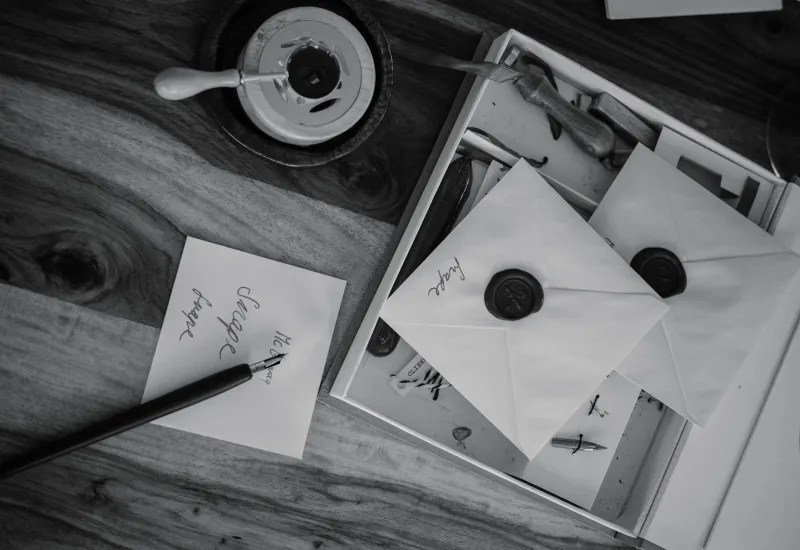
Somewhere in Portland, a 22-year-old named Maya is spending her Saturday afternoon pressing a brass seal into a pool of burgundy wax, watching it harden over the flap of an envelope addressed to someone she's never met in person — a stranger in Lyon, France, who also loves botanical illustration and hates the word "content." The letter inside took three drafts. It will take two weeks to arrive. Maya considers this the whole point.
This is the pen pal revival, and it is very much happening.
While the broader conversation about Gen Z and technology tends to fixate on screen time anxiety and doomscrolling, a quieter counterculture has been steadily growing in its shadow — one built around decorated envelopes, fountain pens, and the deliberately uncomfortable experience of waiting for a reply. It's analog communication treated not as a workaround, but as the destination itself.
The Thrill of the Delay
Ask anyone deep in the pen pal community why they started, and you'll hear some version of the same answer: they were exhausted by the immediacy of everything. Texts demand replies. Notifications pile up. Even emails feel like obligations with timestamps attached. A letter, by contrast, arrives on its own schedule, carries physical weight, and asks nothing of you the second it lands in your hands.
"There's this moment when you see your name on an envelope in someone else's handwriting," says Dani, a 24-year-old graphic design student in Chicago who has 11 active pen pals across four continents. "Nothing digital has ever made me feel like that. It's like someone decided you were worth the trouble."
That feeling — of being worth the trouble — is doing a lot of heavy lifting in a generation that grew up performing connection rather than experiencing it. The letter doesn't just communicate; it demonstrates effort in a way that a reaction emoji simply cannot replicate.
Envelopes as Canvas
If you've spent any time on the crafting corners of TikTok or Instagram lately, you've probably stumbled across decorated mail content without fully realizing what you were looking at. Videos of people painting watercolor florals directly onto envelopes, layering vintage postage stamps, embossing monograms, and dripping colored wax into intricate seal patterns routinely pull hundreds of thousands of views. The hashtag #snailmail has over a billion impressions on TikTok. That's not a niche. That's a movement.
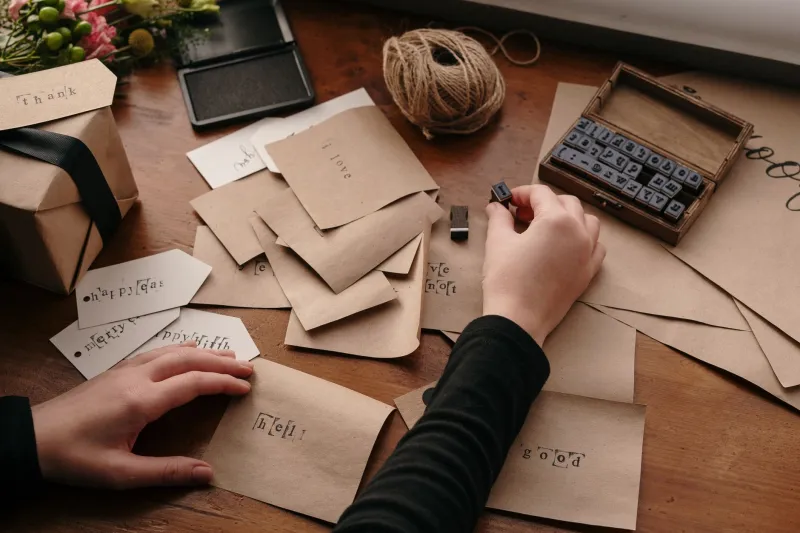
The envelope itself has become an art object — sometimes more elaborate than what's inside. Creators are treating the outside of their mail like a miniature gallery wall, using calligraphy, pressed flowers, collage, and hand-stamped motifs to signal something about their aesthetic identity before the recipient even breaks the seal. It's personal branding, but slower. And somehow more sincere for it.
Pen pal matching communities have exploded across Reddit, Discord, and dedicated apps like Slowly, which pairs users based on geographic distance and actually simulates the real travel time of a letter before delivering your message digitally. The irony is intentional. The yearning is real.
The Micro-Economy of Intentional Mail
Where there's a passionate subculture, there's a market — and the pen pal revival has quietly spawned a genuinely interesting one. Small Etsy shops selling custom wax seal stamps, curated stationery sets, and hand-lettered envelope liners have seen consistent growth over the past two years. Stationery subscription boxes like Papier, Flair & Paper, and a dozen indie operations run out of people's apartments are finding loyal audiences willing to spend $25 to $60 a month on paper goods they intend to give away.
Pen pal starter kits — typically bundling a few sheets of quality stationery, a wax seal kit, some decorative stamps, and a beginner's guide to letter-writing etiquette — have become a reliable gift category on platforms like Amazon and Uncommon Goods. They're showing up at Urban Outfitters. They're getting stocked at independent bookstores alongside journals and fountain pens.
Creators who document their mail art practice are also building loyal followings that translate into real revenue through affiliate links, Patreon memberships, and digital guides on topics like "how to find international pen pals" or "beginner wax seal techniques." The aesthetic is aspirational enough to be marketable, but accessible enough that a viewer can genuinely replicate it with a $12 seal kit from Amazon and a pack of cardstock.
A Friendship Model Built on Patience
What's genuinely surprising about the pen pal revival is what it's doing to the friendships themselves. Letter-writing enforces a kind of intentionality that digital communication actively discourages. You can't dash off a letter the way you'd fire off a text. You have to sit down, think about what you actually want to say, and then commit it to paper permanently. There's no unsend button. No edit window. Just ink and intention.
This friction, paradoxically, seems to be making the connections deeper. Multiple people in the pen pal community describe their letter-writing friendships as among the most meaningful they have — more reflective, more honest, and somehow less performative than the relationships they maintain on social media. There's a theory floating around in these communities that the delay actually helps: by the time your reply arrives, you've had weeks to sit with what was written, to let it settle, to respond to it thoughtfully rather than reactively.
"I know more about my pen pal in Seoul than I know about half the people I went to high school with," Dani says. "And we've never video called. We've just written."
Rebellion in a Stamped Envelope
It would be easy to dismiss all of this as aesthetic nostalgia — Gen Z doing what Gen Z does, which is rescuing old things from the past and making them feel fresh again. And there's some truth to that. But the pen pal revival carries a specific kind of defiance that's worth taking seriously.
In a communication landscape designed to maximize speed, volume, and engagement metrics, choosing to write a letter is a genuinely countercultural act. You're opting out of the algorithm. You're refusing to be a data point. You're insisting that your words belong to one specific person and not to a platform's content library. You're saying, loudly and in cursive, that some things are worth slowing down for.
Maya finishes pressing her seal and holds the envelope up to the light. The wax is set. The letter is ready. She'll drop it in the mailbox on her way to get coffee, and then she'll wait — maybe two weeks, maybe three — for something to arrive in return. She's already looking forward to it.
That's the whole rebellion, right there. The waiting. The wanting. The proof that something real is still on its way.