Roots, Remedies, and Rebellion: How Gen Z Is Growing Their Own Medicine Cabinet
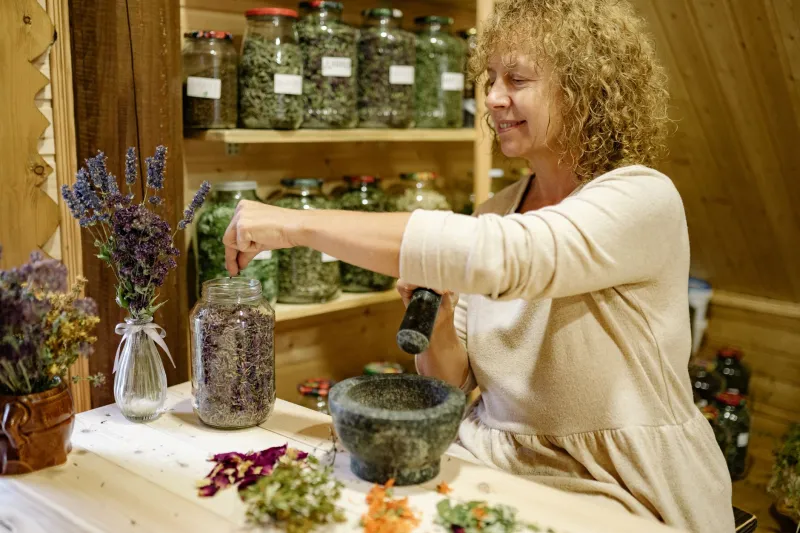
There's a particular kind of satisfaction in pulling a bundle of dried chamomile off a ceiling hook you hammered in yourself, crumbling the flowers into a jar you found at a thrift store, and knowing — deeply, personally knowing — exactly where that tea came from. No supply chain. No algorithm deciding your "wellness journey." Just you, a plant, and a few weeks of patience.
This is the reality for a quietly expanding community of young Americans who've traded their wellness apps for wooden spoons and seed catalogs. Call it the DIY herbalism renaissance. Call it folk medicine reclaimed. Call it what it actually is: a generation opting out of corporate wellness culture one root at a time.
The Garden as a Protest Sign
To understand why this is happening now, you have to sit with how exhausted a lot of young people are. The wellness industry in the US is worth over half a trillion dollars globally, and a significant chunk of that revenue is built on making you feel broken enough to buy the fix. Subscription boxes. Influencer-endorsed supplements with ingredient lists you need a chemistry degree to decode. Apps that gamify your anxiety management and then sell your data.
For a generation that grew up watching every aspect of human experience get monetized and optimized, the appeal of just... going outside and growing something is almost radical. Marisol, 24, from Tucson, Arizona, puts it plainly: "I started growing calendula because I couldn't afford the skin stuff I kept seeing online. Now I make my own salve and I've given jars to like fifteen people. That feels real in a way that clicking 'add to cart' never did."
Herbalism, in this context, isn't just a hobby. It's a reclamation. Of knowledge. Of autonomy. Of the idea that your body and its needs don't require a corporate intermediary.
Grimoires and Google Docs: Documenting the Old Ways
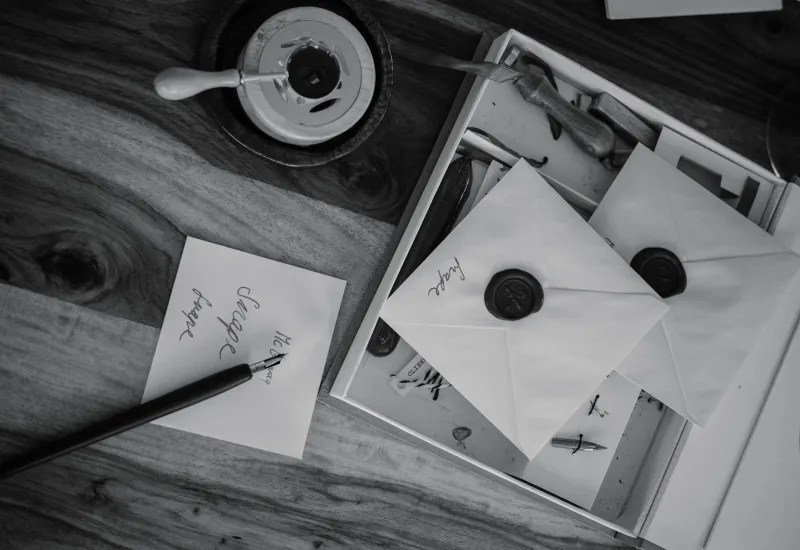
One of the most striking elements of this movement is how seriously its practitioners take the act of documentation. Across cities and small towns alike, young herbalists are filling handmade notebooks — often called grimoires, borrowing from witchcraft traditions — with pressed plant specimens, hand-drawn diagrams, remedy recipes, and personal notes on what worked and what absolutely did not.
These aren't casual journals. They're dense, intentional archives. Some are illustrated with watercolor botanical drawings. Others are organized like field guides, cross-referenced by ailment, season, and preparation method. The aesthetic is part apothecary ledger, part zine, part love letter to the natural world.
Jordan, 27, from Asheville, North Carolina, has been keeping a plant grimoire for three years. "I think about it as building something that outlasts me," they say. "My grandmother knew things about plants that nobody wrote down, and that knowledge is just gone. I'm not letting that happen with what I'm learning."
There's an acute awareness, particularly among herbalists of color, that folk plant knowledge has been systematically dismissed, appropriated, or erased. The grimoire, in this light, is an act of cultural preservation as much as personal practice.
Trading Roots: The Underground Remedy Network
If the grimoire is the archive, the trade network is where the community actually breathes. Across the country, informal herbalism exchanges have taken root — sometimes organized through local mutual aid groups, sometimes through Discord servers, sometimes just through word of mouth at farmers markets and community gardens.
People swap hand-dried elderflower, homemade fire cider, tinctures of valerian or passionflower, infused oils of St. John's Wort or arnica. The transactions are rarely about money. More often they operate on a gift economy logic: you share what you have, you receive what you need, and the community stays afloat on goodwill and collective knowledge.
In Chicago, a loose collective called the Midwest Herb Collective meets monthly to trade remedies, share sourcing tips, and swap plant starts. In Portland, a mutual aid herbalism project distributes free tinctures to community members who can't access or afford conventional care. In rural Georgia, a group of Black women herbalists has been quietly documenting and practicing plant traditions rooted in West African and Indigenous knowledge systems, running workshops out of a community garden.
None of these groups are trying to become brands. That's almost the point.
What They're Actually Growing (And Why)
The plants themselves tell a story. This isn't about exotic imports or rare adaptogens you can only order from a specialty retailer in California. The herbalism renaissance is largely built around plants that grow freely in American backyards, community plots, and wild margins.
Mullein for respiratory support. Lemon balm for anxiety. Yarrow for wound care. Red clover for hormonal balance. Nettles, which grow like the aggressive overachievers they are, for everything from iron deficiency to seasonal allergies. Echinacea, elderberry, tulsi, plantain — the weedy, the abundant, the overlooked.
There's a philosophical commitment here to working with what the land already offers rather than importing solutions. It connects to broader values around sustainability, locality, and the rejection of the idea that something has to be rare or expensive to be worth anything.
The Safety Conversation Nobody's Skipping
It would be irresponsible — and the community itself would be the first to say this — to romanticize herbalism without acknowledging the complexity. Plants are medicine, and medicine requires respect, knowledge, and appropriate caution. Serious herbalists in this movement are emphatic about studying before practicing, about understanding contraindications, about knowing when conventional medical care is necessary.
Many are actively pursuing formal training through programs at places like the Chestnut School of Herbal Medicine or the California School of Herbal Studies. Others are learning from experienced practitioners in their communities. The grimoire culture itself is partly a response to this — a commitment to rigorous personal documentation because the stakes of getting it wrong are real.
"Herbalism isn't magic," says Priya, 23, a nursing student in Boston who grows a small medicinal garden on her apartment balcony. "It's chemistry and ecology and history. You have to take it seriously or you're just playing."
Growing Something That Belongs to You
What ultimately ties all of this together isn't any single plant or remedy or trade network. It's the experience of having knowledge that's yours — knowledge that wasn't sold to you, that doesn't require a subscription, that lives in your hands and your notebooks and your community relationships.
In a cultural moment defined by the feeling that everything has been commodified and nothing is sacred, growing a pot of lemon balm on a windowsill and sharing the dried leaves with a neighbor is, in its quiet way, a radical act.
The analog apothecary is open. The herbs are growing. The grimoires are filling up. And the algorithm can wait.